
Is Your Website ADA Compliant?
Here’s Why It Should Be…
Making Your Website Right for Everyone
Let’s talk about digital accessibility, the unsung hero of modern web design. ADA compliance might not sound like the most exciting part of running a business, but stick with us. If your website isn’t accessible to everyone, you could be missing out on potential customers and putting yourself at legal risk. Not exactly the kind of drama anyone wants.
First, What Is Digital ADA Compliance?
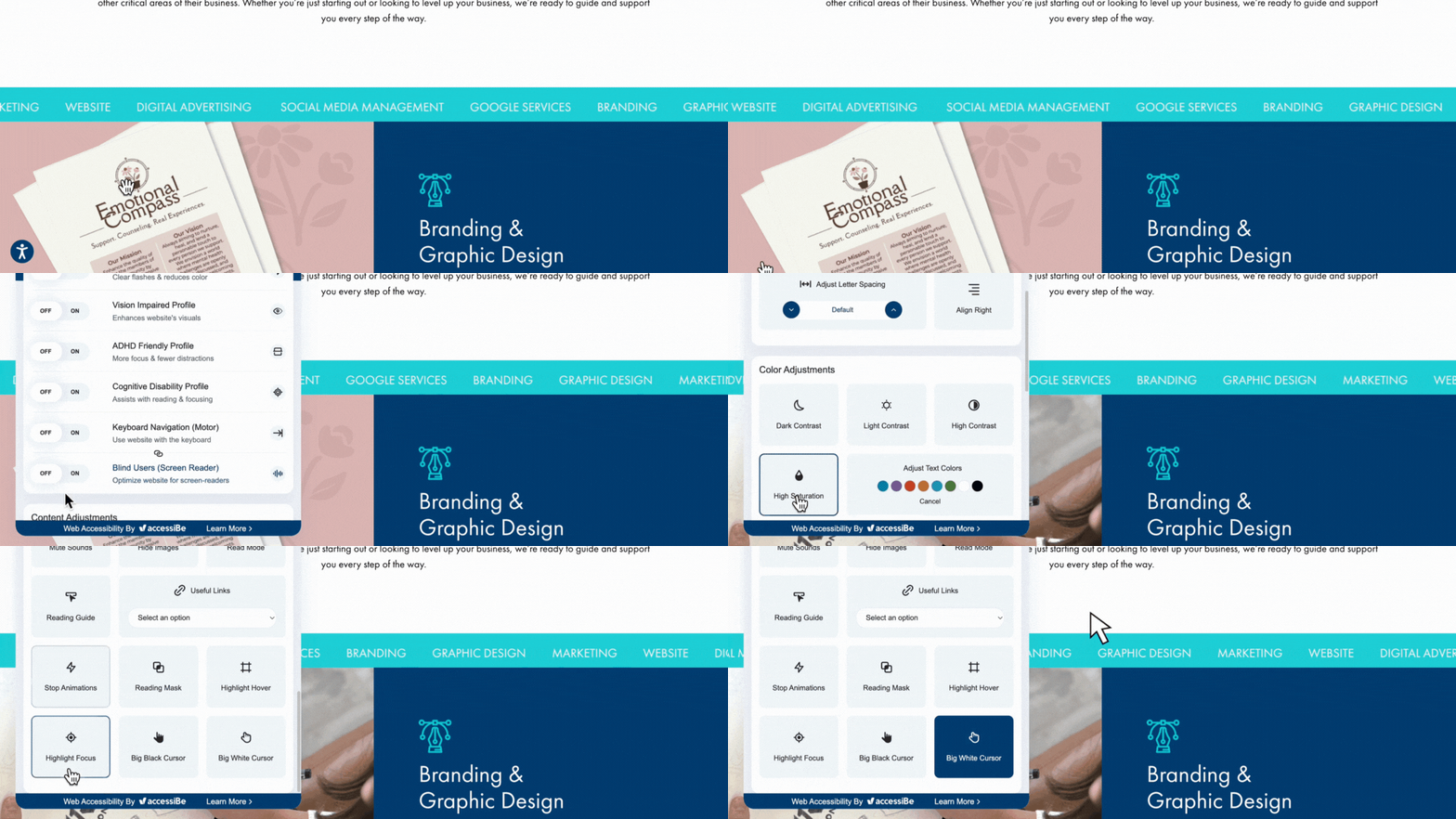
The Americans with Disabilities Act (ADA) was passed in 1990 to prevent discrimination against people with disabilities. At the time, websites weren’t really a thing, but as the internet grew, so did the need to make it accessible. Digital ADA compliance refers to making sure your website can be used by people with a range of disabilities. Think screen readers for the visually impaired, keyboard navigation for those who can’t use a mouse, and clear, consistent layouts that don’t feel like a maze.
Why It Matters
Beyond simply being the right thing to do, having an ADA-compliant website helps your brand in more ways than one:
- Reach a broader audience: Accessibility = inclusivity = more people engaging with your content.
- Better SEO: Many accessibility best practices overlap with SEO strategies. It's like hitting two birds with one HTML tag.
- Avoid legal issues: Lawsuits over inaccessible websites are more common than you’d think. Even small businesses aren’t immune.
What Does ADA Compliance Actually Involve?
Here are some of the basics your site should cover:
- Alt text for images so screen readers can describe visuals.
- Keyboard navigability so all site features can be used without a mouse.
- Clear contrast and readable fonts so no one needs night-vision goggles to read your blog.
- Descriptive link text because “Click here” is not helpful when using assistive technology.
- Video captions because not everyone hears the same way.
Can You DIY It?
Technically, yes, but ADA compliance is nuanced, and guidelines are constantly evolving. There’s a lot to keep up with, from WCAG (Web Content Accessibility Guidelines) standards to new browser tech and plugins. A one-time fix isn’t enough. You need ongoing monitoring.
We Can Help
At Pearl Jade Marketing, we offer digital ADA compliance services as part of our web design and management packages. Whether you're starting from scratch or need a full accessibility audit, we've got your back and your code.